左右 (zuǒyòu) — Left and Right
Discover the mirrored hands that represent left and right. Uncover the folk etymologies about which hand held ceremonial objects, and see how these characters evolved from ancient pictograms of the human hand.
左右 (zuǒyòu) means “Left and Right”. Mirrored hands with fascinating folk etymology.
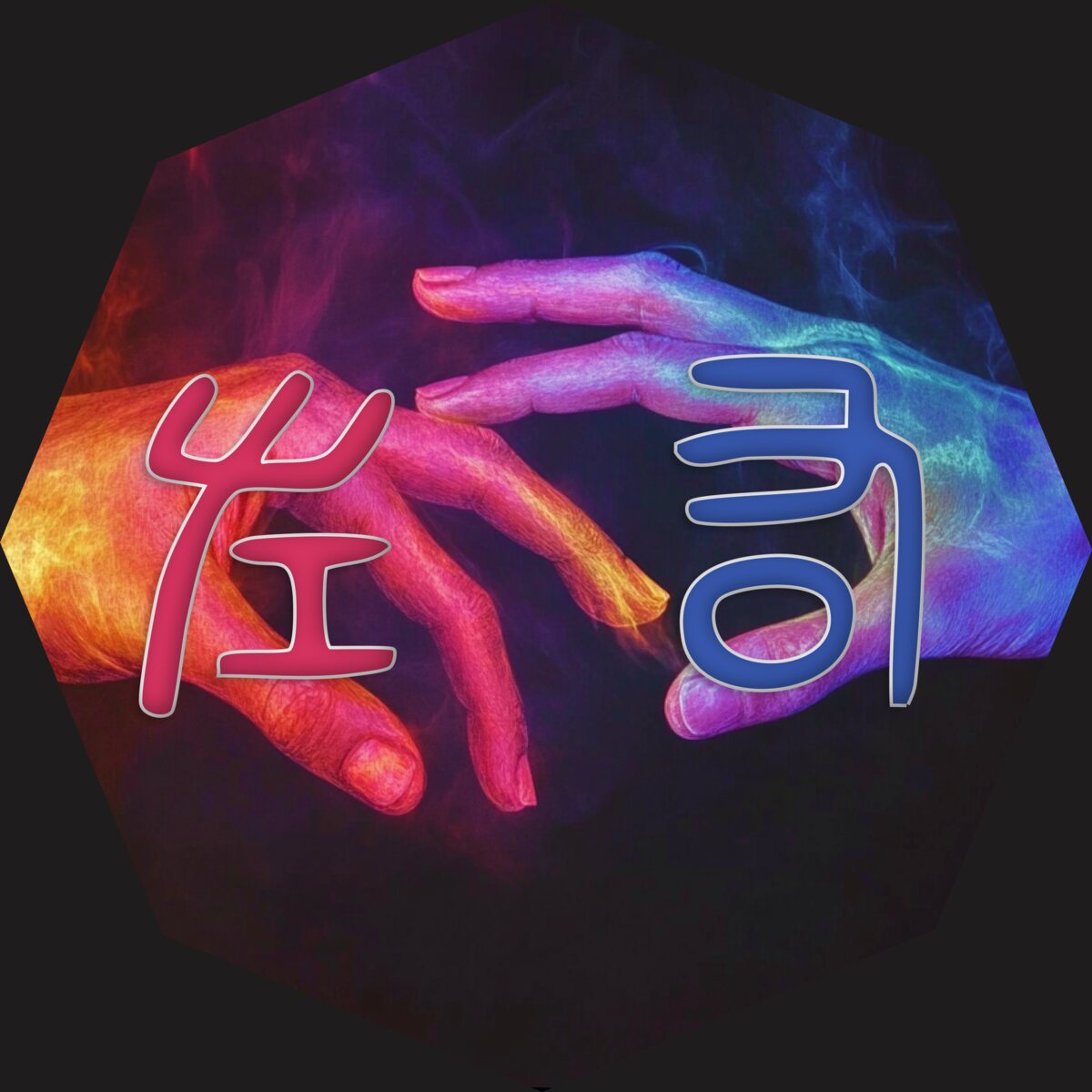
The question
Which is your right hand? And which is your left hand?
Etymology & history
Historically, the characters are mirrored drawings of the hand, one being "the left", and the other being "the right". In later renditions, the character for left has a pictogram of a carpenters square (工) or rod which may symbolize work. The one for "right" has a square (口) which may be a pictogram of the mouth or ceremonial vessel. People still debate the reason for this with theories ranging from: "Which hand held which ceremonial object during rituals?" to "Which hand is closer to the mouth when eating?" or perhaps is simply to distinguish one from the other. Folk etymologies reveal how ancient Chinese scholars understood human values and social hierarchies in the past and are always fascinating to think about. Do you have any theories of your own?
Pronunciation across languages
Today, in Mandarin Chinese, we pronounce 左 as zuǒ and 右 as yòu. When said consecutively like zuǒyòu (左右), the term can also be used to mean "approximately" or "give or take". So, to say, "about 30 minutes," I would say "30分钟左右". In Korean, "left" is pronounced like "jwa" (좌) and right is pronounced like "u" (우). While there exist native Korean words to describe direction the Chinese adopted pronunciation is still used in some cases, such as describing a turn such as "left turn", which is "jwahwejeon" (좌회전) and "right turn", which is "uhwejeon" (우회전). In Japanese, "left" is pronounced "sa" or the native word "hidari". "Right" is pronounced "uu" or the native word "migi". When combined, it is pronounced "sayuu" and means "left and right" but also means "to assert control" and "influence others."
Frequently asked questions about 左右
What does 左右 (zuǒyòu) mean?
左右 (zuǒyòu) means "Left and Right". Mirrored hands with fascinating folk etymology.
How do you pronounce 左右 in Mandarin Chinese?
Today, in Mandarin Chinese, we pronounce 左 as zuǒ and 右 as yòu. When said consecutively like zuǒyòu (左右), the term can also be used to mean "approximately" or "give or take".
What is the origin and etymology of 左右?
Historically, the characters are mirrored drawings of the hand, one being "the left", and the other being "the right". In later renditions, the character for left has a pictogram of a carpenters square (工) or rod which may symbolize work. The one for "right" has a square (口) which may be a pictogram of the mouth or ceremonial vessel.
Is 左右 used in Japanese and Korean as well?
Yes. 左右 originated in Chinese and also appears in Japanese (kanji) and Korean (hanja). Today, in Mandarin Chinese, we pronounce 左 as zuǒ and 右 as yòu.
Speak Chinese, Japanese & Korean with TalkToDia
左右 is just the beginning. Practice real conversations with TalkToDia, your AI language tutor — available on iOS and Android.