感謝 (gǎnxiè) — Thank You
Learn the profound characters for gratitude — where the heart (心) of feeling (感) meets humble words (謝). See how this expression of thankfulness appears in Chinese 感谢, Korean 감사, and Japanese 感謝.
感謝 (gǎnxiè) means “Thank You”. Heart (心) of feeling expressing humble gratitude.
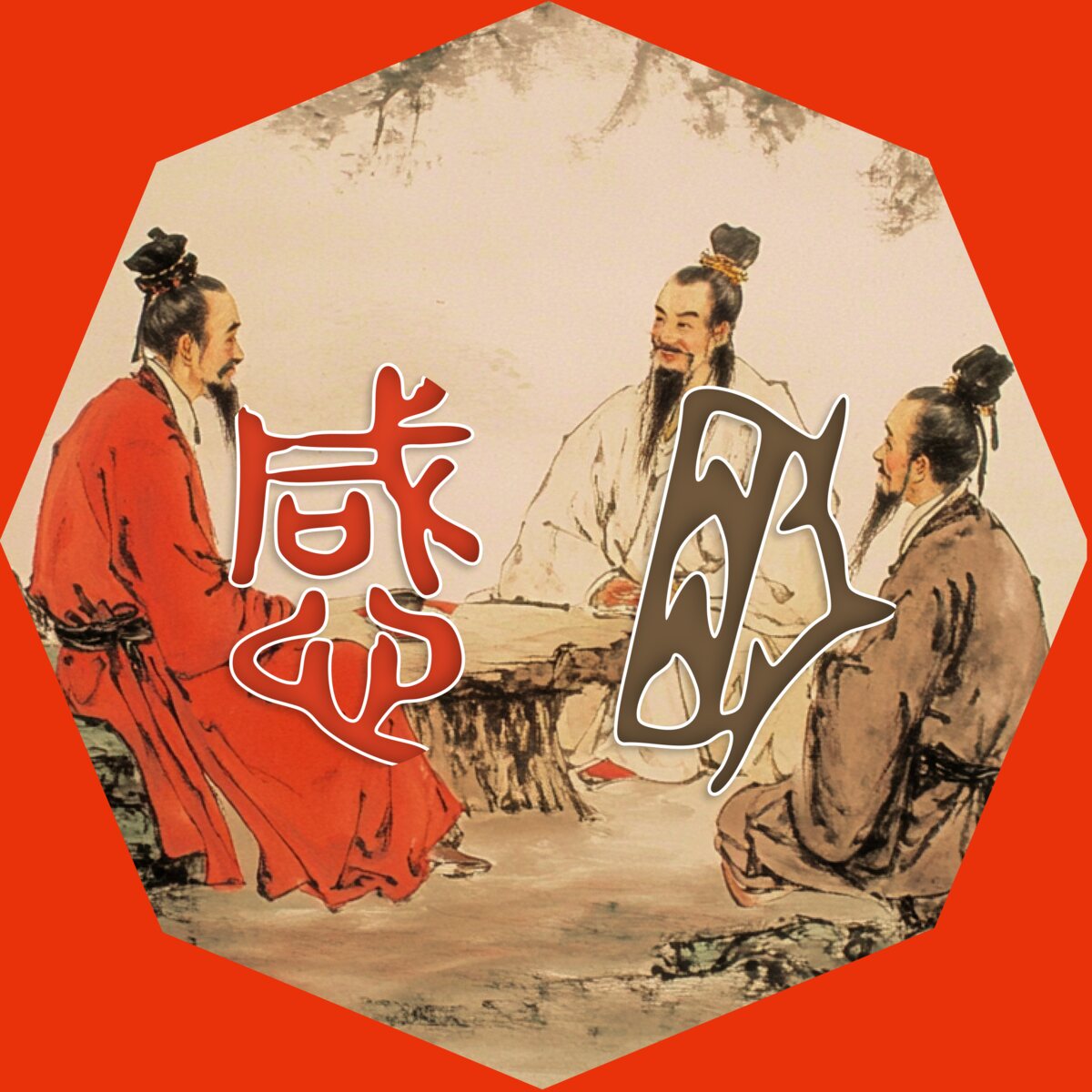
The question
How will I express my gratitude to you from my heart? 感谢您百忙之中抽 空跟我学汉字史!
Etymology & history
Thank you for taking time to explore Chinese characters with me. When I expressed my gratitude earlier, I used the word 感謝. I want to tell you about the fascinating story behind these two characters, which carry centuries of wisdom in their strokes. 感 represents the "heart of feeling". The top component serves as a phonetic hint. The bottom is 心, the pictogram for "heart". Together, they symbolize holding feelings in the heart perfect for expressing sincere gratitude. 謝 is built by a radical on the left, meaning "speech or language". This ties gratitude to verbal expression. To the right is a phonetic component a phonetic element originally depicting an arrow on a bow drawn by a hand. Historically, this character was used in formal resignations like when stepping down from a role, or declining an offer, where one spoke openly to decline. Over time, it shifted to signify humble acceptance like deflecting praise or gifts. Today, 谢 (xiè) embodies gratitude, acknowledging kindness, while staying humble, in 谢谢 (xièxiè), "thank you". I like to remember this character by picturing someone shooting words of thanks like an arrow, back with humility. When we say 感谢, we're not just thanking someone, we're humbly releasing our gratitude, heart 心-to-心 heart.
Pronunciation across languages
In Mandarin Chinese, we pronounce this word as gǎnxiè (感谢). This is a word that will be heard very often, as the main way to say "thank you" in China is 谢谢 "xièxiè" and 感谢 is also widely used. In Korean, 감사 "gamsa" is heard extremely often. The main word for "thank you" in Korean is 감사합니다 "gamsahamnida" which basically expresses that one is doing the action of thanking someone. In Japanese, while the word for "thank you", ありがとうございます does not contain either character (感 or 謝), the word 感謝 "kansha" is still used as a noun in Japanese to describe appreciation and thankfulness. Respect, humility, and cooperation are key to an orderly society. So remember to stay humble and tell the people around you how grateful you are to have them around.
Frequently asked questions about 感謝
What does 感謝 (gǎnxiè) mean?
感謝 (gǎnxiè) means "Thank You". Heart (心) of feeling expressing humble gratitude.
How do you pronounce 感謝 in Mandarin Chinese?
In Mandarin Chinese, we pronounce this word as gǎnxiè (感谢). This is a word that will be heard very often, as the main way to say "thank you" in China is 谢谢 "xièxiè" and 感谢 is also widely used.
What is the origin and etymology of 感謝?
Thank you for taking time to explore Chinese characters with me. When I expressed my gratitude earlier, I used the word 感謝. I want to tell you about the fascinating story behind these two characters, which carry centuries of wisdom in their strokes.
Is 感謝 used in Japanese and Korean as well?
Yes. 感謝 originated in Chinese and also appears in Japanese (kanji) and Korean (hanja). In Mandarin Chinese, we pronounce this word as gǎnxiè (感谢).
Speak Chinese, Japanese & Korean with TalkToDia
感謝 is just the beginning. Practice real conversations with TalkToDia, your AI language tutor — available on iOS and Android.